

In the quest for energy-efficient lighting, two types often come into contention: LED (Light Emitting Diode) and Fluorescent lighting. Both have their unique properties, advantages, and drawbacks. This article delves into these two popular lighting technologies, comparing their efficiency, cost-effectiveness, durability, and environmental impact to determine which reigns supreme in the world of energy-efficient lighting.
Understanding LED and Fluorescent Lighting
LED Lighting: LEDs are a newer technology in the lighting industry. They work by passing an electrical current through a microchip, which illuminates the tiny light sources called LEDs. The result is visible light. LEDs are known for their longevity and energy efficiency.
Fluorescent Lighting: Fluorescent lights work by passing an electric current through a mercury-vapor gas, which produces ultraviolet light. This light then strikes a phosphor coating inside the fluorescent bulb, emitting visible light. Fluorescent lights have been used for decades in both residential and commercial settings.
Energy Efficiency Comparison
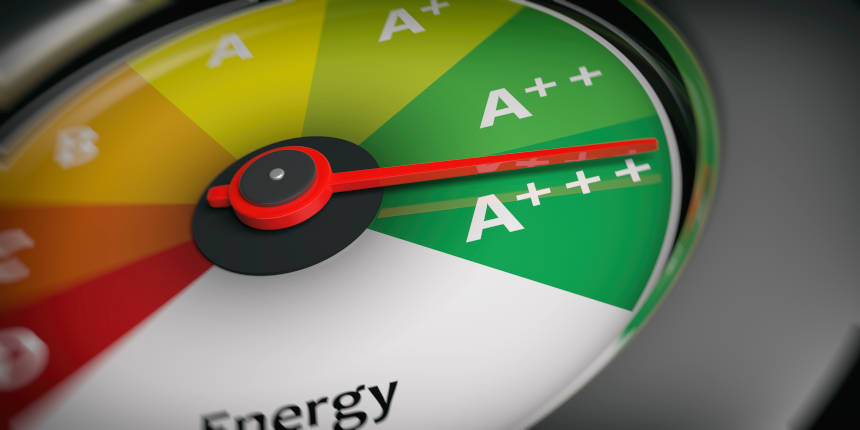
LED: LEDs are widely recognized for their superior energy efficiency. They use up to 75% less energy than traditional incandescent bulbs and about 25-30% less than fluorescent lights. This high efficiency is due to their ability to produce more light per watt of electricity and less wasted heat.
Fluorescent: While more energy-efficient than incandescent bulbs, fluorescent lights are less efficient than LEDs. The energy lost in the form of heat is higher in fluorescents, and they also require more energy when initially turned on.
Cost-Effectiveness
When considering cost-effectiveness, it’s important to look at both the initial cost and the long-term savings.
LED: Initially, LED lights are more expensive than fluorescent bulbs. However, their longer lifespan and lower energy consumption mean they offer significant savings over time. LEDs can last up to 25,000 hours or more, dramatically reducing replacement costs.
Fluorescent: Fluorescent bulbs are cheaper to purchase initially but have a shorter lifespan (about 8,000 hours) compared to LEDs. Over time, their energy inefficiency and replacement costs can make them more expensive.
Durability and Maintenance
LED: LEDs are highly durable. They are resistant to breakage and immune to vibrations and other impacts. Their long life also means they require less maintenance, ideal for hard-to-reach areas.
Fluorescent: Fluorescent lights are more fragile. They can be easily broken and are sensitive to temperature changes and humidity. Additionally, their shorter lifespan means they need to be replaced more frequently.
Environmental Impact

LED: LEDs have a smaller environmental impact. They contain no mercury and have a smaller carbon footprint due to their energy efficiency and long lifespan. The reduced need for frequent replacements means less waste.
Fluorescent: Fluorescent lights contain mercury, a toxic substance that requires careful disposal and can be harmful to the environment if not disposed of properly. Their shorter lifespan also contributes to more waste.
Light Quality and Versatility
LED: LEDs offer excellent light quality that can be precisely controlled. They provide a wide range of color temperatures and can be dimmed easily. Their directional light output makes them ideal for various applications, from task lighting to ambient lighting.
Fluorescent: Fluorescent lights typically have a more diffused light, which is less directional than LED light. While they offer good color rendering, their ability to control light quality and temperature is inferior to LEDs.
Health and Safety
LED: LEDs do not emit UV radiation and produce very little infrared light, making them safer for use over extended periods. They also don’t flicker, which reduces eye strain and headaches.
Fluorescent: Fluorescent bulbs emit a small amount of UV radiation and can flicker (especially as they age), which has been associated with eye strain and migraines.
Conclusion
While both LED and fluorescent lights have their places in lighting applications, LEDs clearly outshine fluorescents in terms of energy efficiency, cost-effectiveness, durability, environmental friendliness, and light quality. Although the initial investment in LED lighting is higher, the long-term savings, reduced maintenance, and better overall performance make them a more efficient and sustainable choice.
The move towards LEDs is not just a trend but a significant shift in lighting technology, driven by a global need to conserve energy and reduce environmental impact. Whether it’s for residential, commercial, or industrial use, LEDs offer a compelling array of benefits that go far beyond just lighting up spaces—they contribute to a greener, healthier, and more cost-effective future.