

Safety in the electrical field is not just a priority but a necessity. Given the inherent risks associated with electrical work, such as electric shocks, burns, and other potential accidents, it’s crucial for electricians to be equipped with the right safety gear. This article explores the essential safety equipment that every electrician should have to ensure they are protected while performing their duties.
1. Insulated Gloves
Importance: Electricians are constantly handling wires and components that might be energized. Insulated gloves provide a primary line of defense against electric shock. They are made from high-dielectric, physically tough, and flexible materials that can withstand voltage and prevent electricity from reaching the electrician’s hands.
Types: There are various classes of insulated gloves, each rated for specific voltage levels. Electricians should choose gloves that suit the voltage level they typically work with.
2. Safety Glasses or Goggles

Importance: The eyes are extremely vulnerable to hazards. Safety glasses or goggles protect against flying debris, dust, sparks, and chemical splashes that can occur during electrical work.
Types: Safety glasses with side shields offer good protection against front and side impacts, while goggles provide a secure fit and safeguard against dust and splashes. For work in areas with high levels of debris, full-face shields may be necessary.
3. Flame-Resistant Clothing
Importance: Electricians face a risk of arc flash — a type of electrical explosion. Flame-resistant (FR) clothing is designed to self-extinguish, reducing the severity of burn injuries from an arc flash.
Types: FR clothing ranges from shirts and trousers to coveralls and jackets. The choice of clothing should comply with industry standards like NFPA 70E, which specifies the appropriate level of protection based on the electrical hazard.
4. Hard Hats
Importance: Falling objects, bumps against fixed objects, or contact with electrical hazards are common in electrical work. Hard hats protect against head injuries and can be lifesavers in these scenarios.
Types: Class E hard hats are specifically designed for electrical work, providing protection against high-voltage electrical conductors up to 20,000 volts.
5. Safety Footwear
Importance: The right footwear protects against a variety of risks, including electric shocks, heavy objects, and slips. Electrically insulated boots prevent the flow of electricity through the body to the ground, reducing electrocution risks.
Types: Safety boots should be non-conductive and preferably made of rubber or leather with protective toe caps. They should also provide a good grip to prevent slips and falls.
6. Ear Protection

Importance: Some electrical tasks can be loud, especially in industrial settings. Prolonged exposure to high noise levels can lead to hearing loss. Ear protection is necessary in these environments.
Types: Earplugs and earmuffs are common protective gear. The choice depends on the level of noise and personal comfort preferences.
7. Respiratory Protection
Importance: Electrical work can sometimes involve exposure to harmful dust, fumes, or vapors, especially during demolition or when working in confined spaces.
Types: The type of respiratory protection required depends on the nature of the job. Disposable masks may suffice for low-risk environments, while half or full-face respirators might be necessary for more hazardous conditions.
8. Tool Belt and Pouches
Importance: Safety isn’t just about personal protective equipment; it also involves ensuring that tools and equipment are handled securely. A sturdy tool belt with pouches helps keep tools organized and within reach, reducing the risk of accidents.
9. Voltage Detector
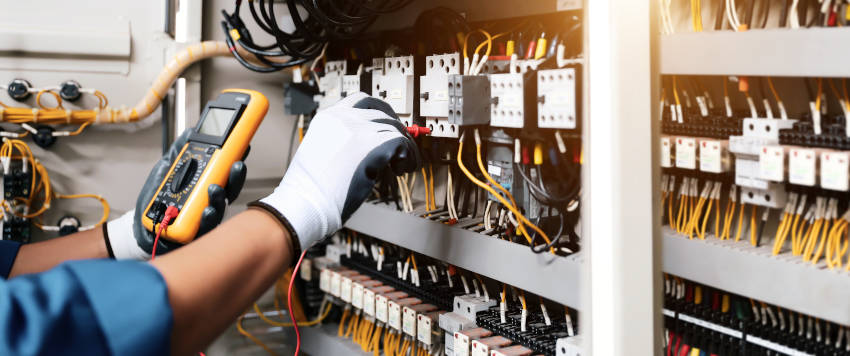
Importance: Before starting any electrical work, it’s crucial to ensure the circuit is dead. Non-contact voltage detectors can quickly and safely confirm whether there’s live voltage.
10. Lockout/Tagout Kits
Importance: These are essential for ensuring that circuits are not inadvertently turned on while they are being worked on. Lockout/tagout kits physically lock the circuit in the off position and provide a tag indicating that work is being done.
Conclusion
Safety in the electrical profession is non-negotiable. The right safety gear not only ensures compliance with legal and industry standards but, more importantly, it protects the lives and health of electricians. It’s vital that electricians not only equip themselves with these essential items but also maintain and inspect their gear regularly to ensure it provides the necessary protection. While the nature of the job might vary, the commitment to safety should remain steadfast. Remember, no electrical job is so urgent that it cannot be done safely.